
Expertise
Four practices, one continuous chain from analysis to implementation.
Structured Products
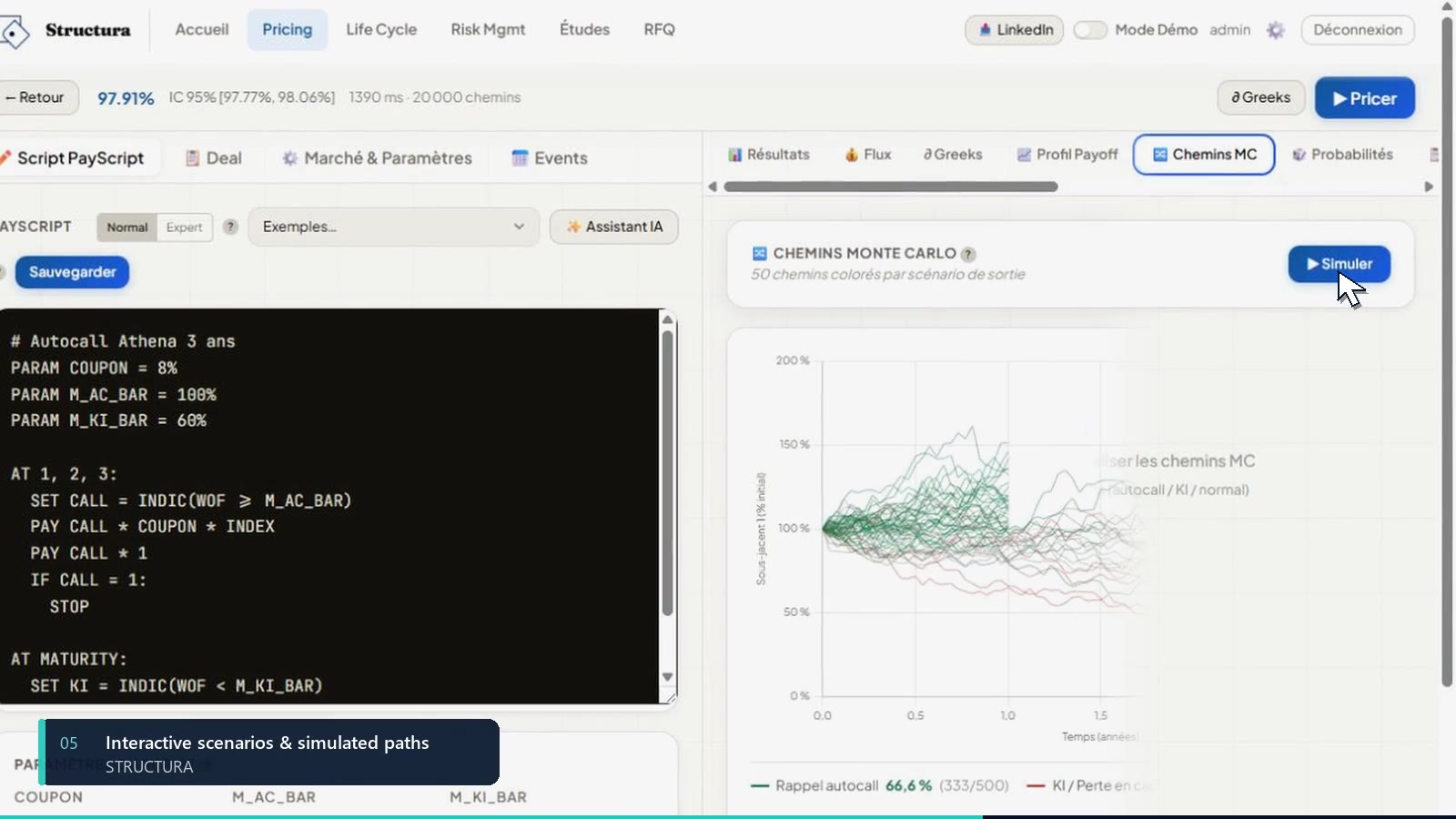
Payoff design, valuation and lifecycle analysis for cross-asset structured investments.
The problem
Structured products are easy to issue and hard to keep under control. Payoffs are negotiated quickly, valuations come from several sources, and once a product is live its behaviour has to be explained to investors, risk and audit — often years after the term sheet was signed.
The approach
Work starts from the term sheet and the actual economics of the payoff, not from a generic model. Each product is decomposed into its option components, priced with a methodology that can be documented and reproduced, and then followed through its lifecycle so that valuation, sensitivities and barrier behaviour stay explainable at any point in time.
Capabilities
- Payoff design and term-sheet analysis
- Pricing of cross-asset structured products
- Valuation methodologies and documentation
- Lifecycle analysis
- Mark-to-market and independent valuation review
- Scenario analysis
- Risk assessment
- Portfolio monitoring
- Product documentation support
Quantitative Investment Solutions
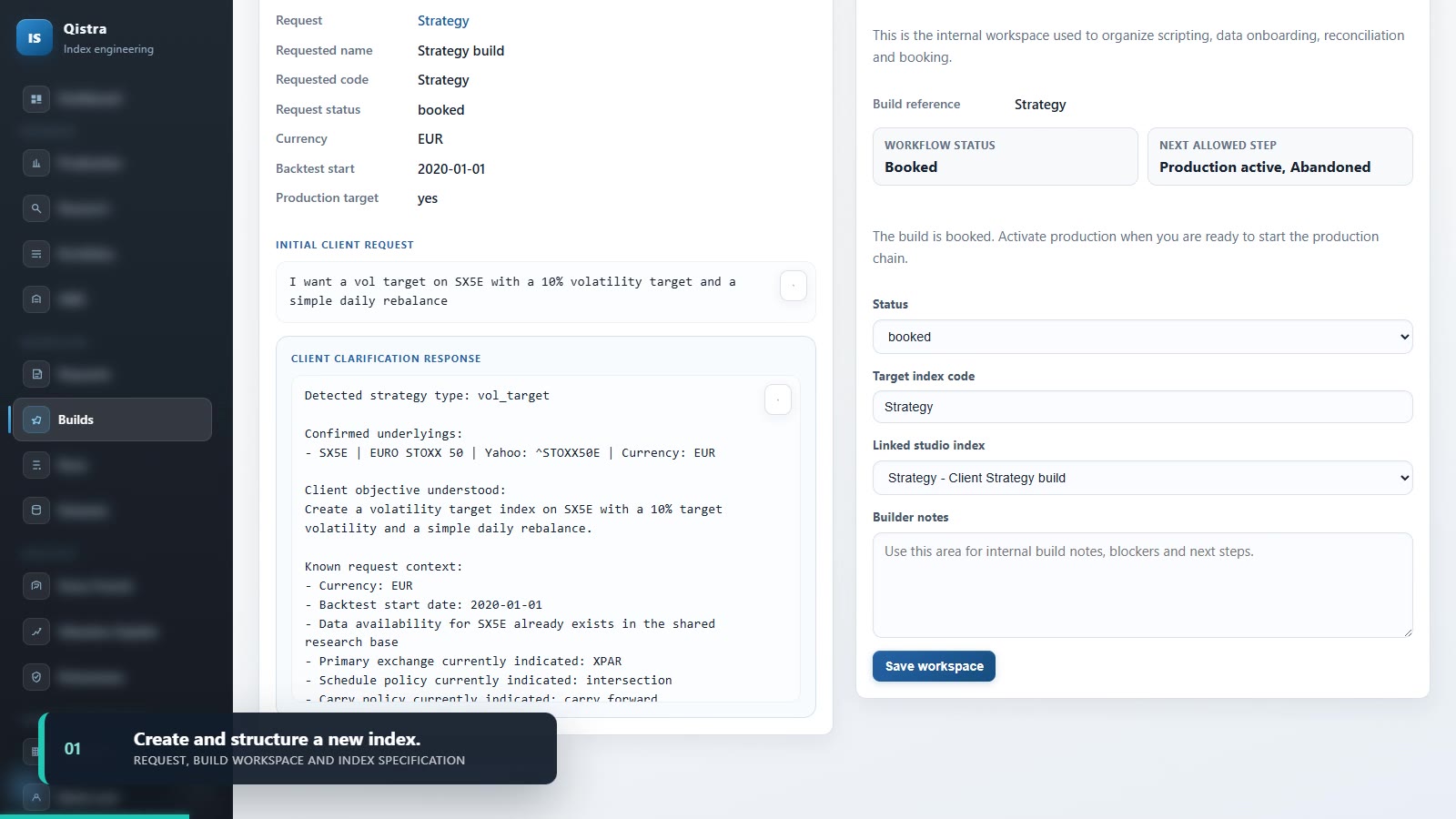
Systematic strategies, index engineering and evidence-based validation of investment processes.
The problem
A systematic strategy or a custom index is only as good as the evidence behind it. Backtests flatter, benchmarks are chosen after the fact, and the difference between a repeatable process and a fortunate sample is rarely made explicit before capital is committed.
The approach
Strategies are rebuilt from their rules and tested against the questions that matter: what drives the return, how much of it survives costs and implementation, how stable it is across periods and regimes, and what a fair benchmark actually looks like. The output is a defensible view of what the strategy does — including where it does not work.
Capabilities
- Systematic investment strategies
- Index engineering and rule design
- Backtesting and robustness testing
- Performance attribution
- Benchmark design
- Factor analysis
- Investment-process validation
- Portfolio reconstruction
Risk & Portfolio Analytics
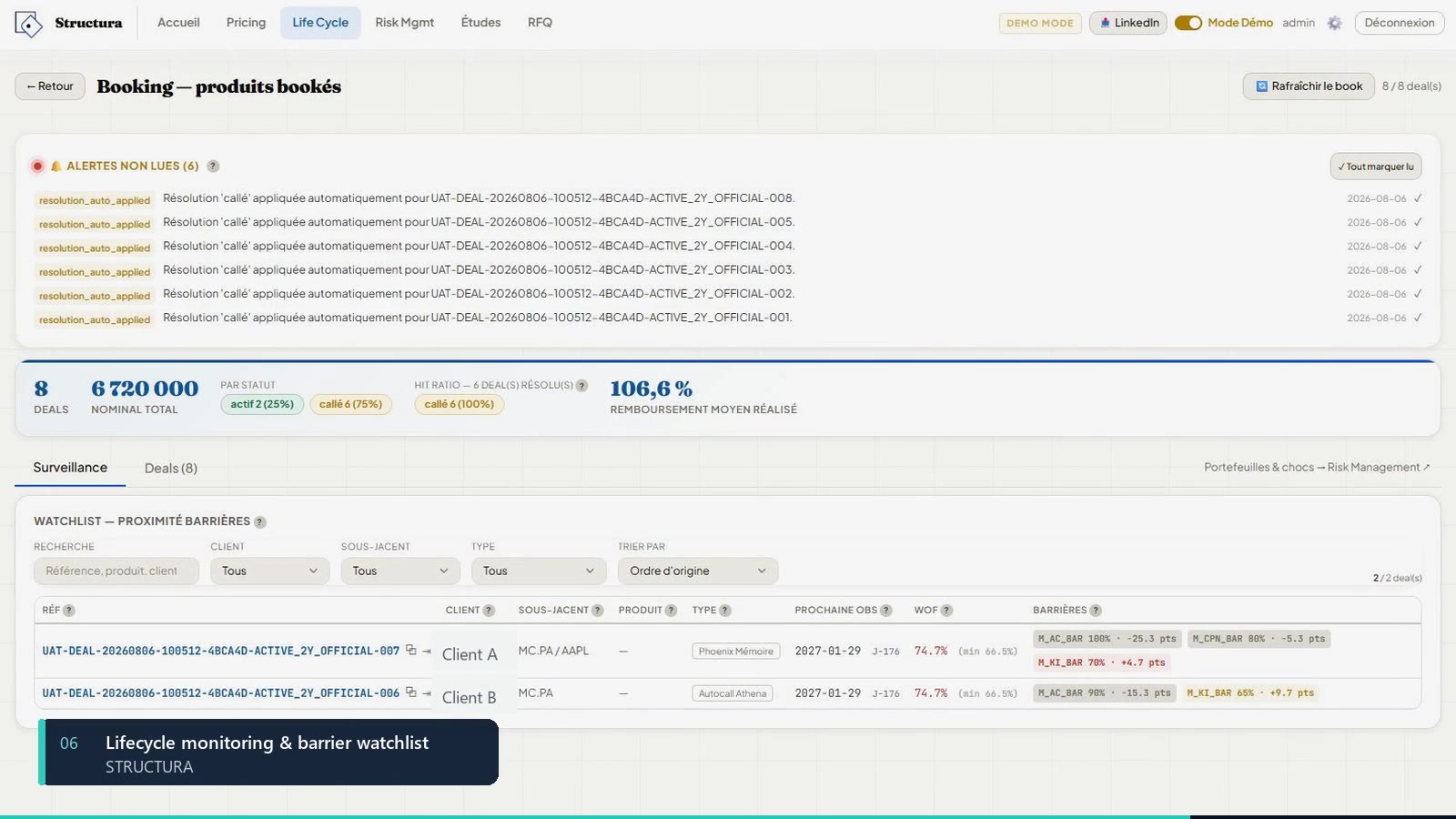
Sensitivities, stress testing and aggregation that turn positions into decisions.
The problem
Risk numbers are usually available. What is often missing is the link between a sensitivity on a screen and the decision it should trigger — especially for portfolios that mix derivatives, structured notes and linear positions across several currencies and asset classes.
The approach
Risk is measured at the level where it is actually managed: per product, per book, and aggregated across the portfolio. Greeks, stress scenarios and simulations are built to be inspected — the assumptions are visible, the results reconcile, and each metric is tied to a concrete question about exposure, hedging or barrier proximity.
Capabilities
- Greeks and higher-order sensitivities
- Stress testing
- Scenario analysis
- Sensitivity mapping
- Portfolio risk aggregation
- Barrier and trigger monitoring
- Market simulations
- Decision-support analytics
Financial Technology
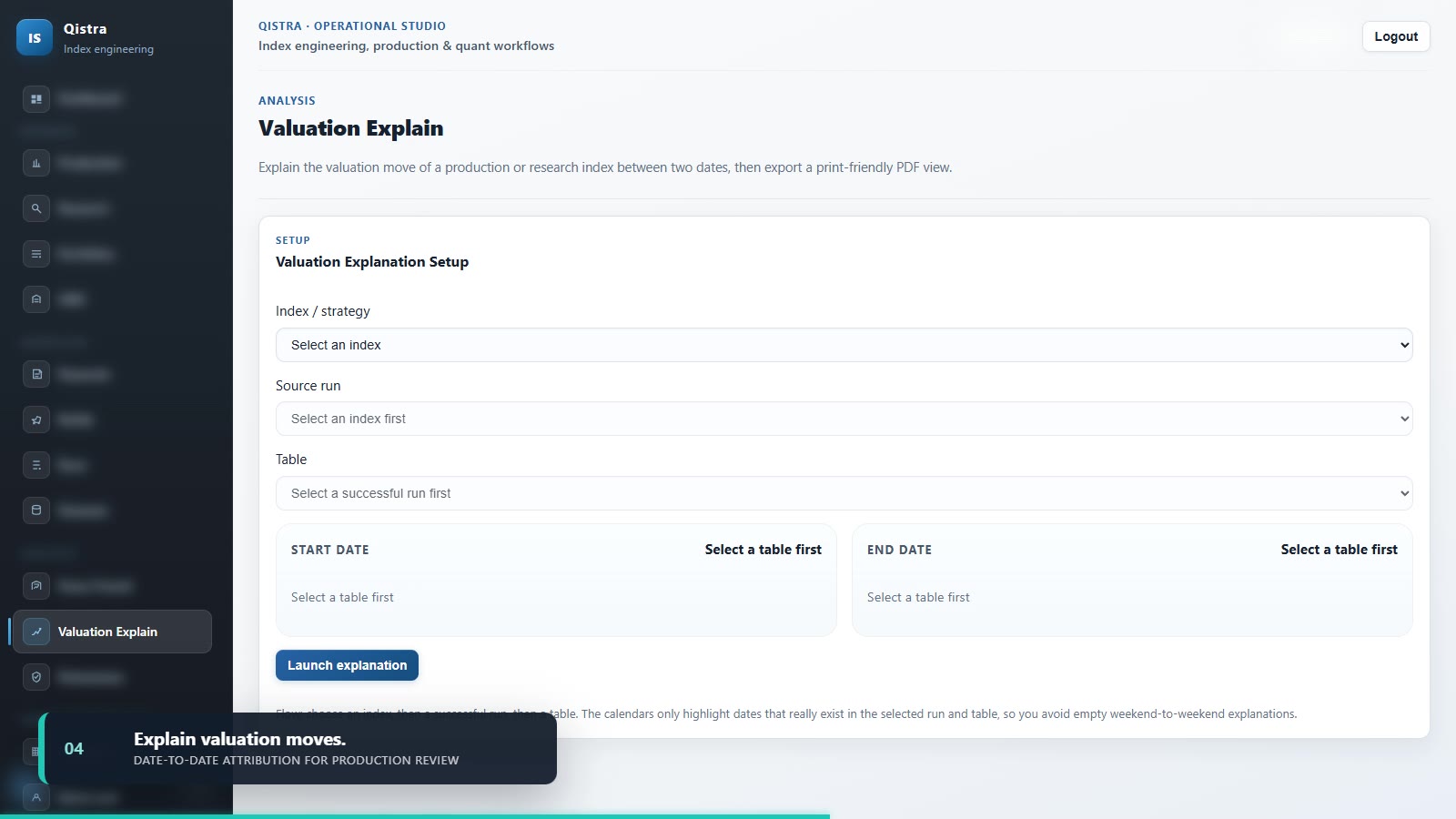
Proprietary environments, quantitative models and analytical workflows developed around specific financial use cases.
The problem
As analytical requirements evolve, standard tools rarely reflect the full economics, data and reporting priorities of a specialised financial workflow.
The approach
Technology follows the financial question. TP Advisory Services develops and adapts analytical environments, models, data workflows and reporting components around a defined business need, with the level of customisation and industrialisation determined by the engagement.
Capabilities
- Python development
- Quantitative engines
- Data workflow design
- Reporting automation
- Analytical dashboards
- Modular solution development
- Model validation tools
- Documentation and handover
Engagements are scoped around a question, not a package.
A mandate can be a focused valuation review, a full reconstruction of an investment process, or an ongoing analytical partnership. What stays constant is direct senior involvement and a scope shaped around the client's objectives.
Have a complex investment or structuring question?
Let's discuss how quantitative expertise and practical technology can support your project.